Baking Journal
How to Store Cake Layers Before Frosting
A make-ahead guide to wrapping, refrigerating, and freezing unfrosted cake layers so they stay ready for filling and frosting.
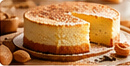
Baking cake layers ahead can make the day of decorating much calmer. The key is to protect the cake from drying out and to cool it completely before wrapping. Here is a practical plan for storing unfrosted layers at room temperature, in the refrigerator, or in the freezer.
Cool completely before wrapping
Set the pans on a rack and follow the recipe’s cooling instructions. Once the cake is cool enough to handle, turn it out onto a rack and let it reach room temperature all the way through. Wrapping a warm cake traps steam; that moisture can make the surface sticky and the crumb gummy. Do not leave a cake uncovered for hours after it has cooled, because exposed edges dry first.
Choose a storage window
- Same day or overnight: Wrap the cooled layers tightly and keep them at room temperature in a cool, dry spot. Keep them away from sunlight, a warm oven, and strong-smelling foods.
- One to three days: Refrigeration can work, especially for cakes with ingredients that need to stay cold. Wrap each layer well and place it in an airtight container. Cold air can dry cake, so avoid storing it uncovered.
- Longer storage: Freeze the layers. Wrap each one in plastic wrap, then add a layer of foil or place it in a freezer bag. Label the package with the cake type and date so you can use the oldest layer first.
How to freeze cake layers
For round layers, place a piece of parchment between stacked layers if you need to save freezer space. Keep the layers flat so they freeze evenly. Once wrapped, store them away from foods with strong odors. Many home bakers prefer to frost layers while they are still slightly chilled because they are firmer and easier to move; thaw only until the cake is manageable, not soft and slippery.
Thaw without drying the cake
Move a frozen, wrapped layer to the refrigerator for several hours or overnight, then let it sit at room temperature while still wrapped until it is no longer icy. Keeping the wrapping on during thawing helps limit condensation on the cake itself. When the surface no longer feels cold, unwrap and assemble. If the cake is sweating, leave it uncovered briefly in a cool room before adding frosting.
What about a refrigerated cake?
Before decorating, let a chilled layer sit just long enough that it is not rock-hard. A very cold cake may make buttercream firm up immediately, which can be difficult to spread. On the other hand, a slightly chilled layer is less fragile than a warm one. If crumbs are a concern, follow our step-by-step crumb-coat guide and keep the layers cool while you work.
Common storage mistakes
- Wrapping while warm: Wait until the center has cooled, or trapped steam can soften the surface.
- Leaving cut edges exposed: Wrap each layer on its own. A cut surface loses moisture quickly.
- Using only a loose covering: A plate cover helps with short-term storage, but a snug wrap or airtight container protects better.
- Thawing unwrapped: Moisture can collect on the cake and the edges may dry. Thaw in the wrapping first.
- Refreezing repeatedly: Repeated temperature changes can damage texture. Freeze in the portions you expect to use.
Make-ahead schedule
For a celebration on Saturday, bake the layers on Thursday or Friday, cool them fully, wrap them, and refrigerate or freeze according to your schedule. If frozen, transfer them to the refrigerator the night before decorating. Fill and frost once the layers are cool but pliable. Keep finished cakes covered; for guidance on a frosted cake, consult a tested recipe’s storage directions, since fillings and frostings differ.
For more cake techniques and troubleshooting, visit the BakeChronicle Cakes collection. Storage times can vary with the recipe and room conditions, so follow any specific food-safety directions that came with a perishable filling.