Baking Journal
How to Measure Flour for Baking
A simple weighing method, a careful cup method, and the small habits that make your bakes more consistent.
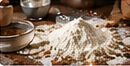
Flour is easy to pack into a measuring cup. A scoop taken straight from the bag can hold more flour than a loosely filled cup, changing the balance of a cake or dough. For repeatable results, use the weight stated in your recipe whenever possible.
Weigh flour in the mixing bowl
- Put your bowl on a level digital kitchen scale and select grams.
- Press tare or zero so the display reads zero with the bowl in place.
- Add flour slowly until you reach the amount in the recipe. Remove any excess with a spoon.
- If you add another ingredient to the same bowl, tare again before weighing it.
Follow the recipe’s own weight conversion. Different flours, brands, and measuring methods can give different weights for a cup, so one universal conversion will not fit every recipe.
If you are using measuring cups
First loosen the flour gently with a spoon. Spoon it into a dry measuring cup without shaking or tapping the cup, then sweep a straight edge across the rim. Use the cup size and method specified by the recipe. A liquid measuring jug makes it harder to level flour accurately.
Read the wording carefully
“One cup sifted flour” and “one cup flour, sifted” can describe different orders of work. The first usually means sift before measuring; the second means measure before sifting. When the recipe provides grams, weighing helps avoid this ambiguity.
Keep a useful baking note
Record the flour brand and type, the weight used, and any changes you made. This is especially helpful for bread dough, where flour absorption and room conditions affect how the dough feels. Adjust only as the recipe directs rather than adding large amounts of flour at once.
A quick check before you start
- Use a clean, dry bowl and utensils.
- Check that the scale is level and set to the intended unit.
- Use the flour type specified in the recipe.
- Measure before combining ingredients, so mistakes are easier to correct.
This guide explains measurement technique; it is not a kitchen-tested recipe.