Baking Journal
How to Measure Flour for Baking (With or Without a Scale)
Learn to weigh flour accurately or measure it by cup using the fluff, spoon, and level method. Avoid packed cups that can make bakes dry.
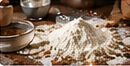
A cake turns out dry, or bread dough feels stiffer than the recipe describes, even though you followed the ingredient list. One common cause is flour packed into the measuring cup. Flour settles, and scooping straight from the bag can add more than a recipe writer intended. Weighing is the most consistent option; if you only have measuring cups, a light hand and a level top make a real difference.
The most reliable method: use a kitchen scale
Set an empty bowl on the scale and press tare so the display reads zero. Spoon or pour flour into the bowl until it reaches the gram weight in the recipe. If the recipe lists both volume and weight, use the weight. For a useful reference, King Arthur Baking lists 1 cup of its all-purpose flour as 120 grams (4 1/4 ounces), though another recipe developer may use a slightly different standard. Use the weight printed in your recipe whenever it is available.
A scale also makes it easier to divide dough evenly and to repeat a recipe later. If you add too much flour, it is difficult to correct with extra liquid because that changes the recipe’s balance. Measuring accurately first saves that guesswork.
How to measure flour with a cup
Use a dry measuring cup with a flat rim, not a glass liquid cup. For flour, the goal is to fill the cup loosely rather than press it into the container.
- Fluff the flour in its canister with a spoon. This loosens flour that has settled during storage.
- Spoon flour into the dry cup until it rises slightly above the rim. Do not tap, shake, or pack the cup.
- Sweep a straight edge, such as the back of a table knife, across the top to remove the excess.
- Add the leveled flour to the bowl. Repeat for each cup instead of scooping several cups at once.
Some sources describe the method as “fluff, sprinkle, and scrape”: fluff the flour, sprinkle it into the cup, then scrape the top level. The important parts are to avoid compressing the flour and to use the same method for every cup.
Why dipping the cup can throw off a recipe
When the cup goes directly into a flour bag, it acts like a scoop and packs flour against the sides. A cup measured this way can hold noticeably more than a lightly filled cup. More flour absorbs more liquid, leaving batter thicker and finished cakes or cookies drier. In yeast dough, extra flour can make kneading seem easier at first but leave the baked loaf tight.
If you suspect a cup measurement is off, check the dough’s feel only after measuring the recipe carefully. Bread doughs vary with humidity and flour brand, so a small adjustment may sometimes be needed, but do not start by adding handfuls of flour. Our guide to bread flour versus all-purpose flour covers how flour choice affects dough strength; measuring is the other half of getting that choice right.
Small details that make measurements more consistent
- Stir or fluff flour that has been sitting for a while before measuring by volume.
- Keep flour dry and sealed so it does not clump or absorb pantry odors.
- Do not use a heaping cup unless the recipe explicitly says to.
- Use the same cup set throughout one recipe; cup sizes can vary slightly.
- For brown sugar, follow the recipe’s instruction to pack or not pack it. The flour method does not apply to every ingredient.
When a recipe gives only cups, a scale still helps if the recipe’s weight standard is known. Check the source’s measurement notes rather than converting with a random chart. King Arthur’s ingredient weight chart is useful for its own recipes and common ingredient references. For general dry-ingredient technique, its Recipe Success Guide also explains spooning and leveling.
A quick example
Suppose a muffin recipe calls for 2 cups of all-purpose flour and gives a weight of 240 grams. With a scale, tare the bowl and add 240 grams. With cups, fluff the flour, spoon it into each cup, and level both. Avoid dipping the cup into the bag and then knocking it on the counter; that packs flour down and makes the second cup difficult to match. If you are baking the muffins again, write down the method and use it the same way next time.
Accurate flour measurement will not fix every baking problem, but it removes one frequent source of dry, dense results. When weights are printed, use them. When they are not, fluff, spoon, and level rather than scooping directly from the bag.