Baking Journal
How to Keep a Cake From Sticking to the Pan
A practical guide to prepping cake pans, turning out a baked cake, and rescuing a layer that sticks.
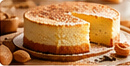
A cake that clings to its pan can break before it reaches the cooling rack. Good pan preparation prevents most sticking, and a careful release can save a cake that has already baked. The exact cooling time depends on the recipe, so use its instructions when available.
Prepare round cake pans
For a round layer cake, trace the bottom of the pan onto parchment and cut out a snug circle. Lightly grease the pan, place the paper inside, and grease the parchment too if the recipe calls for it. This gives the cake a barrier at the base while the greased sides help it release cleanly. King Arthur Baking’s pan-prep tests found parchment with pan spray to be a reliable combination for layer cakes.
If you do not have parchment, grease the pan thoroughly and dust it with flour, tapping out the excess. For chocolate cake, cocoa powder can keep the outside from getting pale flour marks. Nonstick pans still need preparation: batter can adhere even when the coating is intact.
Bundt pans need extra attention
Use a pastry brush to work softened butter or shortening into the center tube, corners, and grooves. Dust the greased pan lightly with flour, then turn it over and tap out extra flour. A flour-based baking spray is another option when the product label says it is suitable for the pan. Avoid leaving thick pools of fat in the grooves.
Let the cake rest before turning it out
Follow the recipe’s cooling time. A tender layer may need a short rest in its pan so it can firm up; turning it out immediately can tear it. Waiting too long can also make some cakes more likely to stick as they cool. Put a wire rack over the pan, hold both firmly with oven mitts, and invert in one steady motion. Give the pan a gentle lift. If it does not release, set it down and loosen the edges rather than pulling hard.
If the cake is already stuck
- Let it sit for the cooling period recommended by the recipe.
- Run a thin flexible spatula or blunt table knife around the edge. Keep the blade against the pan so you do not cut into the cake.
- For a round pan, place a rack over the top, invert the pan, and tap the base gently.
- If it still resists, rest the bottom of the pan on a warm damp towel for a short time, then try again. Warmth may soften the fat at the contact points. Avoid direct flame or extreme temperature changes, which can damage a pan.
For a Bundt cake, loosen the outer edge and the center tube, then invert onto a rack. A gentle tap can help; forceful shaking can crack a delicate cake. The King Arthur Baking Bundt guide recommends loosening the edges and using a brief rest before trying again.
When a cake breaks
Let the pieces cool before deciding what to do. Small cracks can be patched with frosting after the cake is level. A larger break can become a trifle: layer pieces in a glass dish with fruit, custard, or whipped cream. If you are still assembling a layer cake, our crumb-coat guide explains how a thin first layer of frosting can hold loose crumbs and disguise small rough spots.
Prevent sticking next time
- Use the pan size and material the recipe specifies.
- Grease corners and grooves thoroughly, even in a nonstick pan.
- Line flat pan bottoms with parchment for extra insurance.
- Set a timer for the recipe’s release window rather than guessing.
- Wash nonstick pans promptly and gently so residue does not build up.
Pan release is easier when the barrier is even and the cake has time to set. For more practical cake help, browse the BakeChronicle Cakes collection.