Baking Journal
Do Eggs Need to Be at Room Temperature for Baking?
Learn when room-temperature eggs matter, how to warm them safely in minutes, and when cold eggs are fine for cakes, cookies, and quick breads.
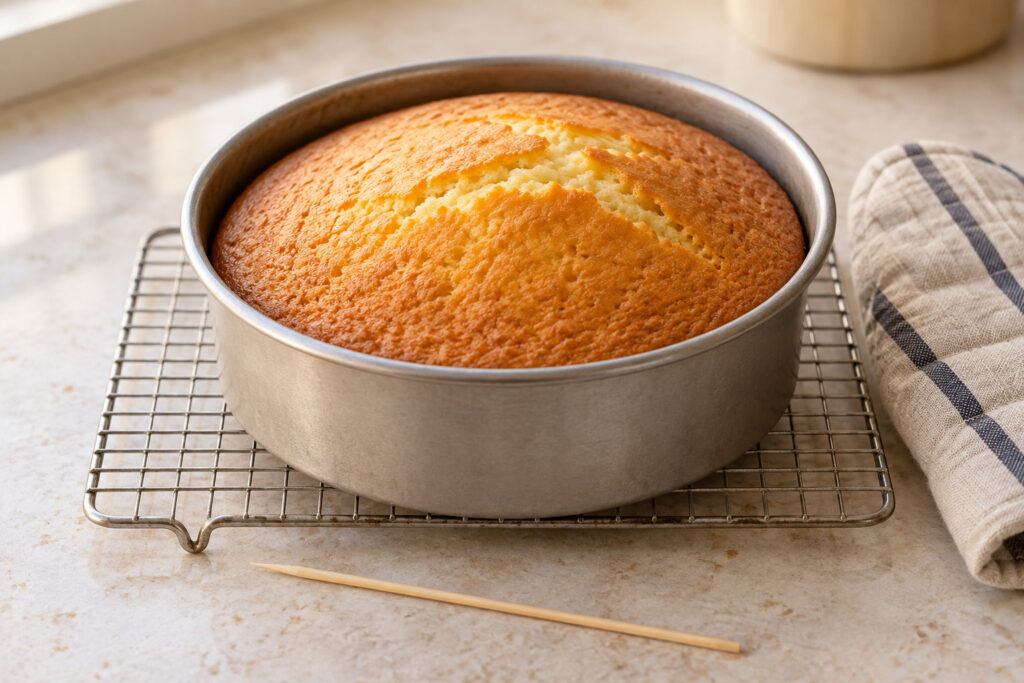
A recipe asks for room-temperature eggs, but yours are still cold from the fridge. Should you wait, warm them, or use them anyway? The answer depends on what the recipe is asking the eggs to do. In cakes and other batters that rely on creaming, less-cold eggs usually blend more smoothly with butter. In many quick breads and cookies, a modest temperature difference is less dramatic, though it can still affect texture and mixing.
Why recipes call for room-temperature eggs
Eggs are not just moisture. Their yolks help emulsify fat and water, while beaten eggs can trap air that contributes to a lighter structure. When a recipe starts by creaming softened butter and sugar, cold eggs can firm the butter and make the mixture look curdled. That uneven mixture may still bake, but it is harder to combine consistently and can leave a tighter crumb.
Temperature matters most when the method depends on a stable emulsion or on incorporating air. A sponge cake, butter cake, or a batter with several eggs may show a more noticeable difference than a forgiving muffin batter. Follow the recipe when it specifies temperature; it has likely been tested with that condition.
How to warm eggs safely and quickly
For whole eggs in their shells, place them in a bowl of warm tap water for about 5 to 10 minutes. The water should feel comfortably warm, not hot. If it cools quickly, replace it once. Dry the shells before cracking. This brings the chill down without cooking the whites or yolks.
If you have already cracked the eggs, set the bowl in a larger bowl of warm water and stir gently every minute. Check with a clean fingertip: the eggs should no longer feel refrigerator-cold, but they should not feel warm. Avoid microwaving eggs in their shells, and do not use boiling water; uneven heat can partially cook them.
When cold eggs are probably fine
If you are making a recipe that mixes melted butter or oil with the other ingredients, cold eggs may be less troublesome because there is no softened butter to seize. They can still cool melted butter, so whisk them in gradually and make sure the butter is warm rather than piping hot. For a simple cookie dough or quick bread, a few degrees of difference is usually less important than measuring accurately and avoiding overmixing.
For whipped egg whites or recipes that depend on volume, use the temperature specified by the recipe. Some methods separate eggs more easily while cold, then whip the whites after they lose their chill. That is a useful sequence when the recipe permits it; do not assume every egg foam behaves the same way.
A practical decision before you mix
- Look at the method. Creamed butter, a high-ratio cake, or a whipped-egg batter is a good reason to warm the eggs.
- Warm intact eggs in comfortably warm water for 5 to 10 minutes, then dry and crack them.
- If the recipe uses melted fat, add eggs gradually and keep the fat warm, not hot.
- Once a batter with baking soda is mixed, get it into the oven promptly; its reaction begins when wet and acidic ingredients meet.
When adjusting your ingredient routine, change one thing at a time. For example, if a cake looks curdled after cold eggs go into creamed butter, try warming the eggs on your next bake before changing the flour or mixing time. Our guide to choosing bread flour versus all-purpose flour explains another ingredient choice that can alter structure, while this Baking Tips collection covers temperature checks and other practical fixes.
Food safety still comes first
Room-temperature for a short baking prep is not the same as leaving eggs on the counter all morning. Warm only what you need, use it promptly, and return the rest to refrigeration. The FDA advises keeping refrigerated foods cold and not leaving perishables at room temperature for more than two hours (one hour when the air temperature is above 90°F). See the FDA’s food-storage guidance for details.
In short, warm eggs when the recipe relies on creaming or aeration; for many oil-based batters, cold eggs are less likely to derail the bake. A brief warm-water bath is enough. You do not need to leave eggs out for hours to get a smoother batter.